

Fabric
Generally, a fabric is named after the fiber user to manufacture it; some fabrics will even use a blend of different fibers. The fabric is then named depending on the fiber(s) used, its pattern and texture and the production process implemented.
Why Choose Us
Our Factory
Established in 1992, JHQ is a well-experienced Fabric manufacturer based in Wuxi, Jiangsu, China.
Product Advantages
Products are more cold resistance, softness, oil acid and alkali resistance, fire resistance, antibacterial and other characteristics.
Support Customized Products
We are especially proud for having a strong technical team which can provide support to customers for different requestments.
Shipping Service
We have established a robust shipping service offered to ensure timely and secure delivery of orders worldwide.
-
![High Quality Comfortable in Stock Wholesale Price Breathable Pu Coated Material Polyester Knitted Fabric]() High Quality Comfortable in Stock Wholesale Price Breatha...DESCRIPTION What is PU Coating Raincoat Fabric? It's a protective film that's usually applied to one side of the material. Fabrics that have PU coating are more lightweight,...read more
High Quality Comfortable in Stock Wholesale Price Breatha...DESCRIPTION What is PU Coating Raincoat Fabric? It's a protective film that's usually applied to one side of the material. Fabrics that have PU coating are more lightweight,...read more -
![Silicone Coated Waterproof 210T Nylon Taffeta Fabric With Waterproof Pu Coated For Raincoat]() Silicone Coated Waterproof 210T Nylon Taffeta Fabric With...It's a protective film that's usually applied to one side of the material. Fabrics that have PU coating are more lightweight, water-resistant, and flexible. The protective PU coating on fabric is...read more
Silicone Coated Waterproof 210T Nylon Taffeta Fabric With...It's a protective film that's usually applied to one side of the material. Fabrics that have PU coating are more lightweight, water-resistant, and flexible. The protective PU coating on fabric is...read more -
![Factory Wholesale 190t Waterproof Polyester Taffeta Fabric Tpu Coated For Raincoat Or Shower Curtain]() Factory Wholesale 190t Waterproof Polyester Taffeta Fabri...It's a protective film that's usually applied to one side of the material. Fabrics that have PU coating are more lightweight, water-resistant, and flexible. The protective PU coating on fabric is...read more
Factory Wholesale 190t Waterproof Polyester Taffeta Fabri...It's a protective film that's usually applied to one side of the material. Fabrics that have PU coating are more lightweight, water-resistant, and flexible. The protective PU coating on fabric is...read more -
![60%polyester 40%polyurethane Dull Matt Waterproof Knit Stretch Jersey Fabric PU Coated Stretch Spandex Fabric Coating Pu Carbon]() 60%polyester 40%polyurethane Dull Matt Waterproof Knit St...It's a protective film that's usually applied to one side of the material. Fabrics that have PU coating are more lightweight, water-resistant, and flexible. The protective PU coating on fabric is...read more
60%polyester 40%polyurethane Dull Matt Waterproof Knit St...It's a protective film that's usually applied to one side of the material. Fabrics that have PU coating are more lightweight, water-resistant, and flexible. The protective PU coating on fabric is...read more -
![Solid Color Breathable 8000mm Waterproof 3000mm MVP Laminated TPU Membrane 100% Polyester Stretch Fabric For Softshell]() Solid Color Breathable 8000mm Waterproof 3000mm MVP Lamin...It's a protective film that's usually applied to one side of the material. Fabrics that have PU coating are more lightweight, water-resistant, and flexible. The protective PU coating on fabric is...read more
Solid Color Breathable 8000mm Waterproof 3000mm MVP Lamin...It's a protective film that's usually applied to one side of the material. Fabrics that have PU coating are more lightweight, water-resistant, and flexible. The protective PU coating on fabric is...read more -
![Grade 100% Polyester Oxford Raincoat Fabric Water Resistant Anti-Static Windproof Stock Lots]() Grade 100% Polyester Oxford Raincoat Fabric Water Resista...Antistatic fiber is a conductive material and polyester fibers formed by joining a micro-conductive function of synthetic fibers. Antistatic fabric is usually a blend of anti-static fiber and...read more
Grade 100% Polyester Oxford Raincoat Fabric Water Resista...Antistatic fiber is a conductive material and polyester fibers formed by joining a micro-conductive function of synthetic fibers. Antistatic fabric is usually a blend of anti-static fiber and...read more -
![Waterproof Polyester Double Side Light Weight Raincoat Fabrics For Down Jackets]() Waterproof Polyester Double Side Light Weight Raincoat Fa...Disposable Raincoat Fabric ensure protection against rain, wind, cold, dust, dirt and atmosphere with high humidity. Waterproof outerwear is made from a variety of materials — wool, cotton, silk,...read more
Waterproof Polyester Double Side Light Weight Raincoat Fa...Disposable Raincoat Fabric ensure protection against rain, wind, cold, dust, dirt and atmosphere with high humidity. Waterproof outerwear is made from a variety of materials — wool, cotton, silk,...read more -
![100% Polyester 170T Taffeta Pvc/pu Coated Rainwear Rain Coat Jacket]() 100% Polyester 170T Taffeta Pvc/pu Coated Rainwear Rain C...Disposable Raincoat Fabric ensure protection against rain, wind, cold, dust, dirt and atmosphere with high humidity. Waterproof outerwear is made from a variety of materials — wool, cotton, silk,...read more
100% Polyester 170T Taffeta Pvc/pu Coated Rainwear Rain C...Disposable Raincoat Fabric ensure protection against rain, wind, cold, dust, dirt and atmosphere with high humidity. Waterproof outerwear is made from a variety of materials — wool, cotton, silk,...read more -
![100 Polyester Waterproof Pvc Coating Taffeta Fabric For Raincoat]() 100 Polyester Waterproof Pvc Coating Taffeta Fabric For R...What is Fire-Protection Clothes Fabric? A flame-retardant fabric is a type of fabric treated with flame-retardant (FR) products. The most commonly used flame retardants are based on aluminium,...read more
100 Polyester Waterproof Pvc Coating Taffeta Fabric For R...What is Fire-Protection Clothes Fabric? A flame-retardant fabric is a type of fabric treated with flame-retardant (FR) products. The most commonly used flame retardants are based on aluminium,...read more -
![Customized 300T 100% Polyester Pongee Fabric For Down Jacket Raincoat PES]() Customized 300T 100% Polyester Pongee Fabric For Down Jac...It's a protective film that's usually applied to one side of the material. Fabrics that have PU coating are more lightweight, water-resistant, and flexible. The protective PU coating on fabric is...read more
Customized 300T 100% Polyester Pongee Fabric For Down Jac...It's a protective film that's usually applied to one side of the material. Fabrics that have PU coating are more lightweight, water-resistant, and flexible. The protective PU coating on fabric is...read more -
![High Quality 170t 190t 210t 300t Polyester Taffeta Fabric Recycled Supplier With Pvc Coating Coated For Raincoat Lining]() High Quality 170t 190t 210t 300t Polyester Taffeta Fabric...Disposable Raincoat Fabric ensure protection against rain, wind, cold, dust, dirt and atmosphere with high humidity. Waterproof outerwear is made from a variety of materials — wool, cotton, silk,...read more
High Quality 170t 190t 210t 300t Polyester Taffeta Fabric...Disposable Raincoat Fabric ensure protection against rain, wind, cold, dust, dirt and atmosphere with high humidity. Waterproof outerwear is made from a variety of materials — wool, cotton, silk,...read more -
![100 Polyester Fabric Pvc Coated High Grade 190T Manufacturer Raincoat Fabric Windshield Umbrella Apron Fabric China]() 100 Polyester Fabric Pvc Coated High Grade 190T Manufactu...Raincoat Fabric: Polyester, Oxford, Pongee, Nylon, Knitted Fabric, Taslon With PVC, PU, PA Coating.read more
100 Polyester Fabric Pvc Coated High Grade 190T Manufactu...Raincoat Fabric: Polyester, Oxford, Pongee, Nylon, Knitted Fabric, Taslon With PVC, PU, PA Coating.read more


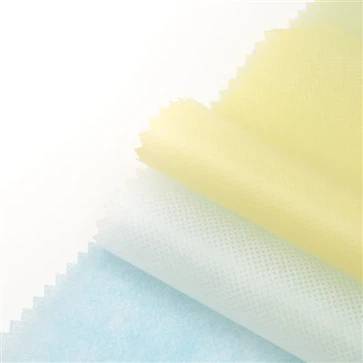


There are three basic steps required for fabric production. The first step in creating fabric is yarn production. Here, the raw materials that have been harvested and processed are transformed from raw fibers into yarn and threads. This is done by spinning the fibers. Spinning can be done by hand, but this process is quite tedious and time consuming. These days, the vast majority of spinning is done by spinning wheel. The fibers are drawn across the wheel, and as it spins, the fibers are collected on a cylindrical object called a bobbin. The bobbin holds the spun fibers, which are now connected into a long strand of thread or yarn. In the next step, the bobbins will be transferred to another machine, where the yarn will continue on its journey into fabric.
After the raw materials have been converted into yarn, they're ready for the second step in the production process, which involves joining these individual threads together to form fabric. This process of joining the yarn together is called weaving. Weaving is done on a machine known as a loom and requires two sets of yarn. The first set, called the warp set, is strung tautly across a metal frame. The second, called the weft, is connected to metal rods, with one thread per rod. The loom is controlled by a computer, which lets the weft know how the fabric should be woven.
After the fabric has been woven, it's removed from the loom and is ready for the final step: processing. Fabric that's fresh off the loom is called greige, and it looks nothing like the crisp white sheets or clothing you're used to. It's discolored and full of impurities, seed particles and debris. Before it can be transformed into useful textiles, it must be cleaned. First, it's treated with bleach to purify the base color. Next, it's treated with a variety of chemicals and cleaners to remove oils, wax and other elements that are naturally occurring in most fibers. Finally, it's ready to be shipped out to clothing and textile manufacturers.
In addition to loom weaving, there are other methods for joining fabric, including knitting and crochet. While both are traditionally associated with wool materials, crochet is also common with lace production. Both are traditionally done by hand. Hand looms are also widely used throughout the world, and hand-woven textiles tend to be very popular with consumers.

Raincoat Fabric GuideRaincoat fabrics ensure protection against rain, wind, cold, dust, dirt and atmosphere with high humidity. Waterproof outerwear is made from a variety of materials — wool, cotton, silk, premium fibers and fabrics with rubber. Water-repellent treatment makes natural fabrics durable, flexible and easy to clean without affecting their properties. Soft and smooth, they allow the skin to breathe, while keeping you safe from rough weather.
These fabrics are used for raincoats and other rainproof apparel. Some are appropriate for sportswear, pants, windbreakers and jackets.
High quality raincoat fabrics have the following advantages:
Wear resistance;
Weather resistance;
Lightness and dimensional stability;
Moisture and dirt resistance;
Good aeration;
No shrinkage;
Easy care;
Stylish look.
Before we look at the details of the various types of material that a raincoat is made up of, we must understand the role that the material or the fabric plays in the raincoat. What exactly is the purpose of a raincoat? A raincoat is meant to protect you from getting wet in the rain if you are outdoors and either does not have an umbrella or find it uncomfortable. It is a garment worn over your outfit to prevent the water from coming in contact with the same.
The first factor that is to be considered is that a raincoat must be waterproof or water-repellent or water-resistant. The raincoat fabric will play a major role in determining whether the raincoat is waterproof, water-repellent or water-resistant. Some raincoats are also meant to protect you against harsh winds or cold weather.
Along with the features of protecting you from getting wet, the raincoat must protect you from the cold, and hence the fabric used in such a raincoat will be different. Durability is another factor that plays an important role in a garment like a raincoat. If it is not a good quality raincoat or a raincoat made with poor material, it can easily get damaged or torn or spoilt. A raincoat made with good quality fabric that is suitable for use will be durable.
It will be easier to maintain as well. You must also make sure to consider the design and the styling of your raincoat if you are very particular about your looks and your outfit. A raincoat is often used in hot and humid weather and hence it must provide proper aeration too. When washed or put in contact with water or any other cleaning agent or maintenance process, the raincoat must not undergo shrinkage. These are some of the points that help us understand the importance of the material in a raincoat.
A raincoat is made of synthetic fabrics and materials because of how its properties are different from that of natural materials. Synthetic fibres and fabrics are far more hydrophobic than natural fabrics and are more suitable for making raincoats.

How To Choose Suitable Material For Rainwear?
There is no best material for rainwear, but the most suitable material. The function of the rainwear is waterproof. We should choose material according to different usage and request.
PE poncho & PE raincoat
If you need the emergency or disposable one, we recommend the PE poncho or PE raincoat. You may see them in play ground or souvenir shops. It can be packed into small polybag or small ball to carry easily. It is the the cheapest rainwear. We can print logo on the poncho, the layout or package for your promotion.
Compressed PE poncho & Compressed PE raincoat
Recently, our compressed PE poncho sells very well, as the package is even smaller than our palm, very convenient to take away.
Biodegradable PE poncho & Degradable PE raincoat
Another hot selling item is degradable PE poncho or degradable PE raincoat. “Plastic limit” has been implemented in many places, more and more strict. But still need time to find the substitute material. Degradable PE is a innovative material during the transition period. For Degradable PE poncho and Degradable PE raincoat, we have the related certificate. You are welcome to contact us and ask for it.
PVC, EVA, PEVA rainwear
If you need to use a rainwear for several times, we recommend the PVC, EVA or PEVA rainwear. The cost is also economical and material is stronger than PE. Also we can make request logo or overall printing there for decoration or advertising.
If you go to the Disney Land or Disney theme store, you will see most of the Disney kid rainwear is made of PVC or EVA material. PVC material cost lower than EVA. But EVA material is more stretchy and softer than PVC material in cold weather. EVA is more friendly to environment. So recently EVA rainwear is more popular.
But do not worry about PVC rainwear. The kid PVC raincoat now we supply to Disney can pass OEKO-TEX 100, 6P and other request standard. So it is also a good choice if you have economical budget.
PU rainwear
In winter season or in Scandinavia area, PU rainwear is the best choice to wear in cold and wet weather. As PU material is more durable, stretchy and comfortable to wear. For PU rainwear, we can add fleece, sherpa or padded lining to make it with better function to keep warm.
PU children rainwear & Adult daily wear
Almost every child have at least one PU rainwear in Scandinavia area. And it is also an good choice for adult as a windproof & waterpoof jacket for daily wear. We can also find some fast fashion brand launches PU rain coat as their new products line.
PU workwear & Semi PU workwear
PU rainwear is widely applicated as workwear. Beside PU material, there is also Semi PU, means PVC combined with PU, which is more heavier and wearable for some industry. We can also make fire-retardant PU rainwear for some special industry.
Waterproof coated fabric rainwear
Beside of above rainwear material, you also can select the fabric with waterproof coating. For example, nylon with PU coating, polyester with PVC coating etc. Meanwhile, the PU coating could be with breathable formula, which will keep you no sweaty. For this coated fabric, we make seam taped inside to avoid water leaking into the sewing seam. So it is 100% waterproof rainwear. As it is woven fabric, it is the strongest rainwear for multi times wearing.

How To Tell the Difference Between A Fabric and A Textile
Now that you know the difference between a fabric and a textile, it is easy to spot the two. However, there are some key things to look out for:
- Fabric usually refers to items that are designed for clothing - like shirts, trousers, etc.
- Textiles can be made into clothes, but they can also be used for other things like bed sheets, carpets, etc.
- Fabric is made through weaving, sewing or stitching techniques, whereas textiles are only made from woven fibers.
- Fabric is a specific type of textile that has a clear use - clothing. All other textiles are not fabrics and have other uses, or no defined use.
How to Wash a Raincoat Fabric
Raincoats come in so many varieties that it is essential to read the care label before you clean your coat for the first time. Some raincoats may have a recommendation of dry cleaning only because of the attached linings or inner fabrics that won't wash well. Some linings can be removed and cleaned separately.
Pretreat Stains
For vinyl or plastic coats, use a damp microfiber cloth and a dab of laundry detergent or dishwashing liquid to wipe away visible mud and soil.
For woven fabric raincoats, pretreat food stains and body soil around the inside of the collar and cuffs with a dab of an enzyme-based stain remover or a bit of laundry detergent. Rub in the cleaner with your fingers and allow it to work for at least 10 minutes to loosen the soil before you wash the raincoat.
Machine or Hand-Wash
If the raincoat is labeled as washable, it can be cleaned in the washer or by hand-washing in a large sink or bathtub. Follow the same recommendations for water temperature and detergents for both types of cleaning.
Select a Water Temperature and Washer Cycle
Cool or lukewarm water is best for raincoat fabrics. Excessively hot water can soften vinyl and plastic finishes and leave hard to remove wrinkles. Choose the gentle or permanent press cycle for raincoats to limit agitation.
Choose a Detergent
Use a mild, biodegradable laundry detergent to wash raincoats to help protect the waterproof finishes. Take care not to overdose the detergent. Any residue left in the fibers will reduce the effectiveness of the waterproof finish.
Load the Washer
Remove any removable linings and belts from the coat and close all zippers or buttons. Be sure that all pockets are empty.
The raincoat can be washed with raingear made of the same material that can be cleaned with cold water.
Dry the Raincoat
After washing, the safest drying method is to hang the raincoat on a sturdy hanger to air-dry. The coat should dry within a couple of hours.
Woven fabric raincoats can go in a dryer set on low to medium heat if you are in a rush. Add some clean towels to help quickly absorb the moisture so the coat can remain in the dryer for the least amount of time possible.
Our Factory
Established in 1992, JHQ is a well-experienced Fabric manufacturer based in Wuxi, Jiangsu, China. We design, develop, manufacture and sell different types of fabrics , such as water-proof fabric, work-wear fabric, medical fabric, out-door fabric, inflatable fabric, football fabric, etc. Compared to others, we are especially proud for having a strong technical team which can provide support to customers for different requestments, And our annual revenue of 2023 was more than 70 million RMB.

FAQ
Q: What is considered fabric?
Q: What are disposable raincoats made of?
Q: What fabric should I use for a raincoat?
Q: What material is eco friendly raincoat?
Q: Why are raincoats not made from cotton cloth?
Q: What is the raw material for raincoats?
Q: Which is better for raincoats nylon or polyester?
Q: What are rain proof jackets made of?
Q: What is PVC material in raincoat?
Q: Which fabric would you choose to make a raincoat why?
Q: What are disposable raincoats made of?
As one of the most professional fabric manufacturers and suppliers in China, we're featured by quality products and competitive price. Be free to wholesale cheap fabric for sale here from our factory. Contact us for customized service.
, waterproof fabric for outdoor use