


Antistatic fiber is a conductive material and polyester fibers formed by joining a micro-conductive function of synthetic fibers. Antistatic fabric is usually a blend of anti-static fiber and polyester yarn.
Why Choose Us
Our Factory
Established in 1992, JHQ is a well-experienced Fabric manufacturer based in Wuxi, Jiangsu, China.
Product Advantages
Products are more cold resistance, softness, oil acid and alkali resistance, fire resistance, antibacterial and other characteristics.
Support Customized Products
We are especially proud for having a strong technical team which can provide support to customers for different requestments.
Shipping Service
We have established a robust shipping service offered to ensure timely and secure delivery of orders worldwide.

High Visibility Water-Proof Clothes Fabric
High Visibility fabrics we offer a range of fabric qualities for safety garments, work wear, outdoor applications in areas where it is necessary to have good visibility, for both short and long distance.

Antistatic fabric and esd fabrics are mandatory to be used in production and logistics areas where static electricity is important.
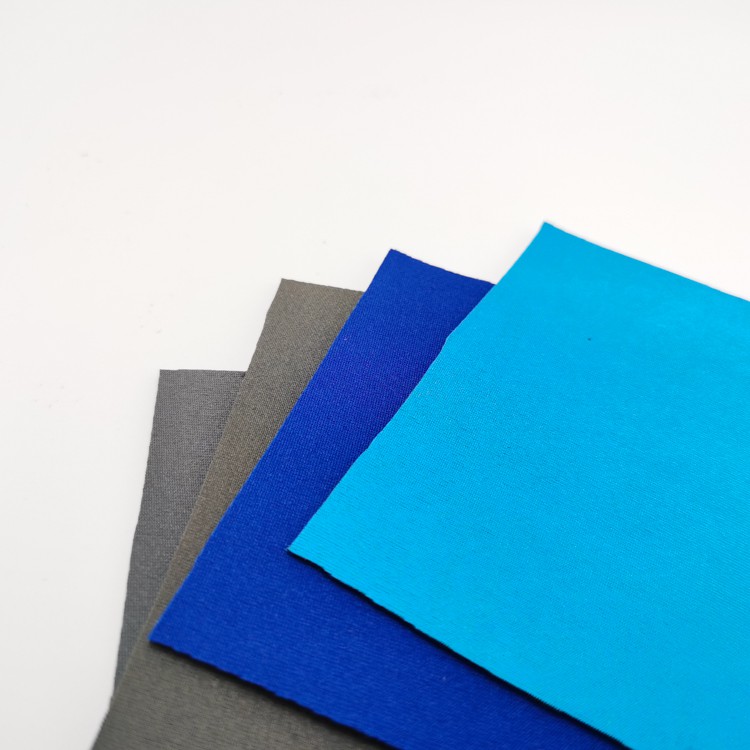
Fire-Protection Clothes Fabric
At first glance, it may seem as if fire-resistant and fire-retardant materials are interchangeable; however, the differences between these two qualities can feel vastly different when you're in an actual fire.

Selecting the appropriate outdoor jacket fabrics is paramount for anyone venturing into the great outdoors. The fabric not only determines the jacket's comfort but also its functionality, durability, and protection against the elements. As diverse as the terrains and climates we explore, there are six standout fabrics that have proven their mettle in outdoor adventures.

Softshell is a fabric made up of several layers that are tightly woven together. The aim is to make the material suitable for wearing in cold, rainy weather conditions. Softshell is usually windproof, water-repellent, and breathable.

Scuba suits are important for anyone who is scuba diving, surfing, or just enjoying some time on the beach. The material that is used for scuba suits can also be used for things like swim shirts to protect you from nature's elements.
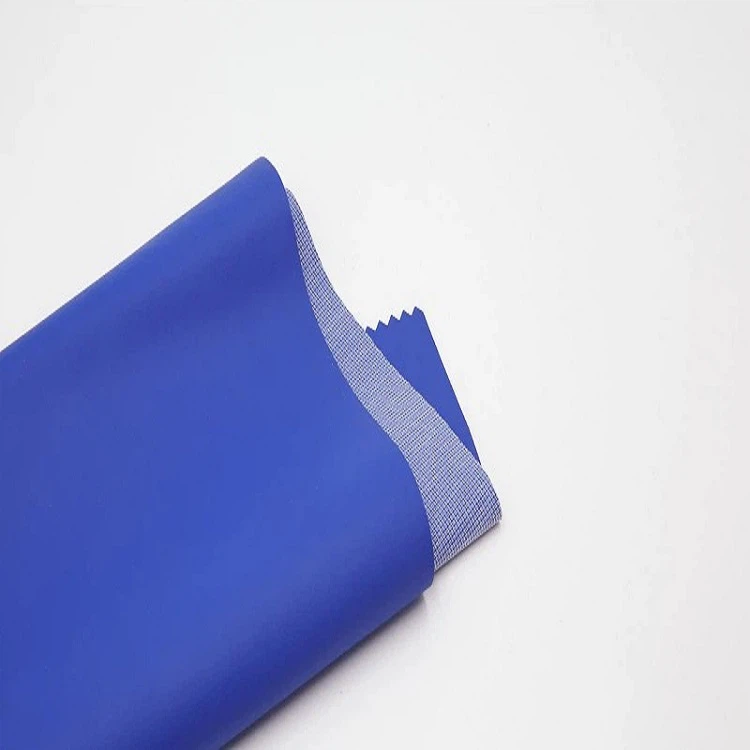
4-Way Stretch Sports Jacket Fabric
A 4-way stretch fabric is one that stretches in both directions and recovers in both ways. The cloth will return to its original form and size no matter how much you stretch it. Different fabrics have varying degrees of stretch. There is also one-way stretch and two-way stretch fabric.

The diversity in regards to types of union or grinding makes for mandatory examinations of each of the plants where this type of operations are carried out.

We have an extensive portfolio of absorbent products separated by application: hydrocarbon, hazardous chemicals and general purpose absorbents. Our absorbents come in a variety of forms from single use pads, pillows, socks to marine booms depending on your absorbent needs.
What Are the Benefits of Using Antistatic Clothing?
Protection against ESD
Antistatic clothing can provide significant benefits in protecting static sensitive components from electrostatic discharge (ESD). Clothing made from antistatic materials provides a barrier against ESD, which is especially important for those working with static sensitive electronic components and devices. Antistatic clothing helps prevent static build-up on the surface of the material, which can prevent irreversible damage to the products and reduce the risk of accidental shocks.
Prevention of damage to static sensitive electronic components
ESD occurs when two objects or surfaces with different levels of electrical charge come into contact with each other, causing a sudden flow of current that can damage electronic components. Antistatic clothing helps reduce this risk by preventing static electricity from building up on the wearer's body.
Minimisation of fire and explosion risks
Antistatic clothing is an essential tool in minimising fire and explosion risks, especially in workplaces where flammable materials are used. Such clothing is designed to minimise the build-up of static electricity on the surface of garments by providing a path for electrical charge to flow away from the body harmlessly. This helps prevent electrostatic discharges that could ignite flammable gases or vapours.
Antistatic clothing is particularly useful for workers involved in handling chemicals, fuels, and other volatile substances. The use of antistatic clothing reduces the risk of sparks being generated during transfer processes or when filling containers with flammable fluids. Investing in high-quality antistatic workwear can go a long way towards creating a safer workplace environment while also improving productivity and reducing downtime due to accidents caused by static discharge.
Several Characteristics of Anti-Static Clothes
First of all, anti-static clothing in antistatic ultra-clean fabric features
Anti-static fabric for the fabric and sewing overalls. Antistatic ultra-clean fabrics used in the anti-static overalls are often referred to as "conductive silk". Actually this kind of view is not tight, conductive fabrics according to its own technical characteristics can be divided into suitable for antistatic (ESD), and is suitable for the Clean Room (Clean Room), only suitable for Clean Room of conductive fabrics can be antistatic ultra-clean fabrics.
Secondly, anti-static overalls scope of application
Anti-static work clothes are suitable for electronic, optical instruments, pharmaceutical, microbial engineering, precision instruments and other industries has clean and antistatic properties of special work clothes, the fabric is generally weave conductive wire embedded synthetic fabrics. Anti-static work clothes (GB12014-1989), the clothes is to prevent the buildup of static electricity, use anti-static fabric for the fabric and sewing, suitable for electrostatic sensitive sites or fire or explosion wear in dangerous places. The making craft of antistatic fabric is mainly used in textile, such as interval or roughly evenly mixed with all or part of the use of metal or organic antistatic fiber or made of antistatic conductive materials, including synthetic fiber, or both mixed.
Anti-static overalls series are all made of high quality fabrics, electrostatic shielding performance is good, no dust, suitable for various requirements of customers. Overalls has split type, even, sets of type a variety of styles, such as leg warmers, hats, masks can free combination, but also to sample processing, custom-made according to customer's request.
Antistatic fabric is in the textile, such as interval or roughly evenly mixed with conductive fiber or antistatic synthetic fiber or both the mixed woven fabric. Conductive fiber refers to all or part of the use of metal or organic conductive material or the floorboard of the fiber of conductive materials, the volume resistivity of rho v ~ between 104 ~ 109 Ω/cm. Up to the conductive component distribution in the fibre and the conductive fibre can be divided into conductive component type, conductive component covers the type and composition of conductive composite 3 classes. At present, the vast majority of antistatic fabric is made of conductive fibers, especially in conductive composition is complex, the most used composite fiber.
To join in the chemical fiber fabric anti-static work clothes made of conductive fiber, the electricity is based on the charge of the leak and with two kinds of mechanism. When grounding, fabric on the electrostatic except for corona discharge of conductive fiber was neutral, also through the conductive fiber to the earth discharge; Is not grounded by corona discharge of conductive fiber weak and power dissipation.
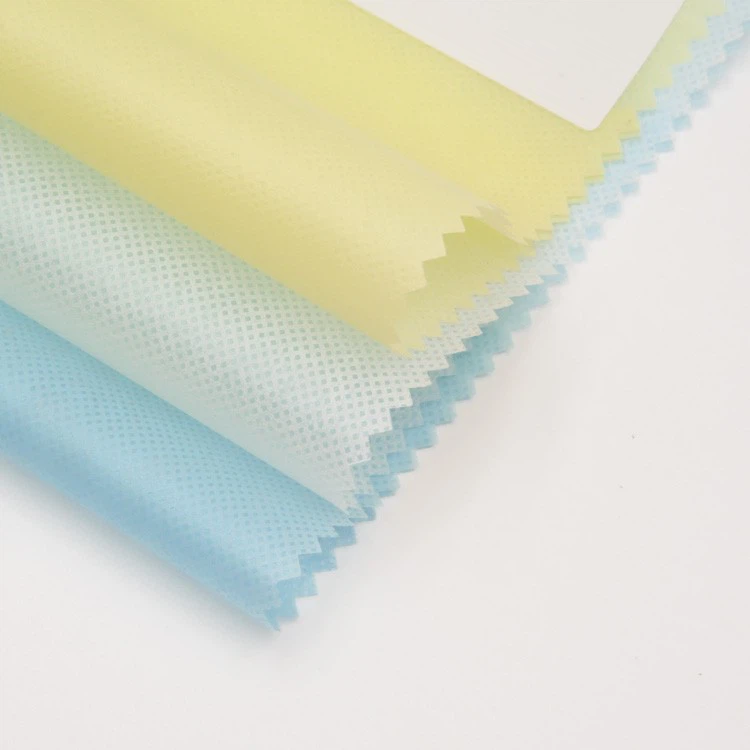
While it's commonly found in garments for use in an electrostatically-sensitive work environment, antistatic cloth is specifically designed to be stronger and more reliable than what you'd typically find in a fabric garment or item, including water resistance and overall durability.
Beyond garments and employee uniforms, antistatic cloth is also used in: workstation chairs, grounding straps, esd gloves, workplace mats, and packaging. The prevalence of the material in a manufacturing environment or clean room depends on the overall level of ESD safety that's required; additionally, there are "categories" of antistatic cloth that rank the material's overall resistance to a buildup of static electricity.
Antistatic cloth is not a "silver bullet" solution to common sources of ESD, however; the cloth should always be used in conjunction with common ESD safety measures such as antistat mats, workstations, and grounding straps. Companies should perform annual ESD safety audits in order to ensure that their warehouse and manufacturing environments are complying with a comprehensive ESD safety plan.
The Dangers of Common Fabrics
There are innate ESD hazards that come with the clothing that an employee would typically wear to work, such as synthetic blend work trousers or a cotton t-shirt. The Electrostatic Discharge Association notes that "clothing materials, particularly those made of synthetic fabrics, can generate electrostatic charges that may discharge into ESDS or they may create electrostatic fields that may induce charges".
Static control garments can significantly reduce the threat of ESD from an employee's clothing; however, the ultimate ESD safety category (e.g. the measure of the fabric's dissipation ability) ranking depends on the level of ground dissipation needed. An ESD Category 1 garment will mitigate much of the inherent static electricity of a garment; however, since Category 1 garments are not grounded, there's still a possibility of accidental discharge. On the other end of the scale is a Category 3 garment, which "bonds the skin of the person to an identified ground path", thus offering the greatest potential amount of ESD resistance.
Antistatic cloth garments come in a variety of styles, including lab coats, safety vests, t-shirts, polo shirts, sweatshirts, and trousers. When making a purchase, consult with your employees and safety supervisors in order to determine your team's needs, desires, and goals.
What kind of fabric can prevent static electricity? What is the principle of anti-static? Do you have these doubts when purchasing fabrics?
Matter is composed of molecules, molecules are composed of atoms, atoms have negatively charged electrons and positively charged protons. Under normal conditions, the number of protons of an atom is the same as the number of electrons, and the balance is positive and negative, so it shows no charge externally. However, the electrons surround the nucleus, and they will deviate from the orbit after an external force, leaving the original atom and invading other atoms B. The A atom is positively charged due to the lack of the number of electrons. Negatively charged phenomenon, called anion. The reason for the unbalanced electron distribution is that the electrons are separated from the orbit by external forces. This external force contains various energy (such as kinetic energy, potential energy, thermal energy, chemical energy...etc.). In daily life, any two objects of different materials come into contact After separation, static electricity can be generated.
When two different objects come into contact with each other, one object loses some charge, such as electrons transferred to another object to make it positively charged, while the other body gets some objects with remaining electrons and becomes negatively charged. If the charge is difficult to neutralize during the separation process, the charge will accumulate and make the object static. Therefore, when the object is separated from other objects, it will be charged with static electricity. Generally, when a plastic film is peeled off from an object, it is a typical "contact separation" electrification, and the static electricity generated by removing clothes in daily life is also "contact separation" electrification.
One kind of anti-static fabric is conductive thick fabric and the other is T/C fabric. The T/C fabric anti-static clothing produced by Tianyu Textile adopts 65/35 full process printing and dyeing polyester and cotton, and is woven into organic conductive fiber, which is finished by special process. It is made of high-grade polyester-cotton workwear fabric, which is comfortable, safe and reliable to wear.
In the electronics industry, it can prevent the damage and aging of electronic components caused by static electricity. It is more valued in the petrochemical industry and can avoid unnecessary combustion and explosion hazards. The conductive silk fabric is an anti-static fabric made of special polyester and high-performance permanent anti-static fibers through a special process. The electrostatic clothing specially sewn with this process fabric has excellent anti-static and dust-proof performance and is widely used by electronics.

Which Special Industries Need To Wear Anti-Static Work Clothes
The biggest harm of static electricity is that it may cause ignition and explosion of combustibles due to static electricity sparks. So some companies reduce the occurrence of static electricity by asking employees to wear anti-static clothes. So which specific companies should wear anti-static clothes?
Transportation industry: When the aircraft body rubs against air, water vapor, dust and other particles, the aircraft will be charged. If no measures are taken, it will seriously interfere with the normal operation of the aircraft radio equipment, making the aircraft deaf and blind;
Printing industry: In the printing factory, static electricity between paper pages will make the paper pages stick together and difficult to separate, causing trouble for printing;
Pharmaceutical industry: Because static electricity attracts dust, the purity of the medicine will not reach the standard;
Energy industry: It is possible that static electricity sparks will ignite certain flammable objects and cause explosions.
Medical industry: But on the operating table, the electric spark will cause the explosion of anesthetics, hurting doctors and patients;
Coal mining industry: It will cause gas explosions, resulting in the death and injury of workers and the scrapping of mines.
In fact, in all industries, the working environment is very dirty every day, so the anti-static clothing we wear must also be kept clean every day. The most important part of daily maintenance of anti-static clothing is cleaning. Because of its special function, dust-free clean clothes are usually cleaned 1-2 times a week, and 50-100 times of cleaning should be inspected to determine whether to discard. If the anti-static work clothes are damaged, the seams are broken, moldy, the conductive fibers are broken, or the washing resistance time specified by the anti-static grade has been reached, they should be scrapped in time. The user unit should sample and inspect the anti-static work clothes that have reached half of the service life or have been stored for 1 year. Products that have lost their anti-static properties after testing should be scrapped in batches in time to ensure the qualified use of the products.
Our Factory
Established in 1992, JHQ is a well-experienced Fabric manufacturer based in Wuxi, Jiangsu, China. We design, develop, manufacture and sell different types of fabrics , such as water-proof fabric, work-wear fabric, medical fabric, out-door fabric, inflatable fabric, football fabric, etc. Compared to others, we are especially proud for having a strong technical team which can provide support to customers for different requestments, And our annual revenue of 2023 was more than 70 million RMB.

FAQ
Q: What is static free fabric?
Q: What are the common anti-static materials?
Conductive polymers.
Carbon-based materials.
Metal-based coatings.
Q: How does anti static fabric work?
Q: What are the types of anti static fabric?
Q: Can you wash an anti-static cloth?
Q: Can you wash an anti-static cloth?
Q: How do you stop anti static clothes?
Q: How long does static guard last on clothes?
Q: What is the process of anti-static fabric?
The fabric is finished with antistatic finishing agent;
Fiber grafting modification, blending and interweaving of hydrophilic fibers for the purpose of improving the hygroscopicity of the fabric;
Blended or inlaid conductive fibers;
Q: What are the antistatic ingredients?
Hot Tags: grade 100% polyester oxford raincoat fabric water resistant anti-static windproof stock lots, China grade 100% polyester oxford raincoat fabric water resistant anti-static windproof stock lots manufacturers, suppliers, factory, functional clothes meaning, chef uniform and function fabric, padded jacket inspired by function and utility material, function of protective clothing, soft shell jacket fabric, orange waterproof fabric


