PVC Laminated Material for Raincoat

There are various kinds of raincoats on the market, such as:
1.Trench Coats: A traditional type of raincoat, trench coats often have a belted waist and a long length that ends just below the knee. They are frequently constructed from thin, water-resistant cloth and are intended to be both fashionable and practical.
2.Ponchos: A straightforward, lightweight raincoat often made of waterproof material like vinyl or nylon. They are a popular option for outdoor activities because they often have a loose, oversized fit that can be pulled on over other apparel.
3. Packable Rain Jackets: These are suitable for travel or outdoor work because they are light in weight and easy to pack into a compact space. They are mostly manufactured from waterproof, breathable materials like Gore-Tex or polyurethane.
4. Cycling Rain Jackets: Specially made for cyclists, cycling rain jackets have a more extended back cut that offers additional protection from rain and road spray. They frequently have reflective accents to improve visibility in dim light.
5. Military-style Raincoats: Military-style raincoats have a utilitarian design with many pockets and a longer length for extra protection. They are made to be strong and water-resistant.
6. Hunting Raincoats: With a camouflage pattern and other features like a hood and scent-blocking technology, hunting raincoats are made exclusively for hunters and outdoor lovers.
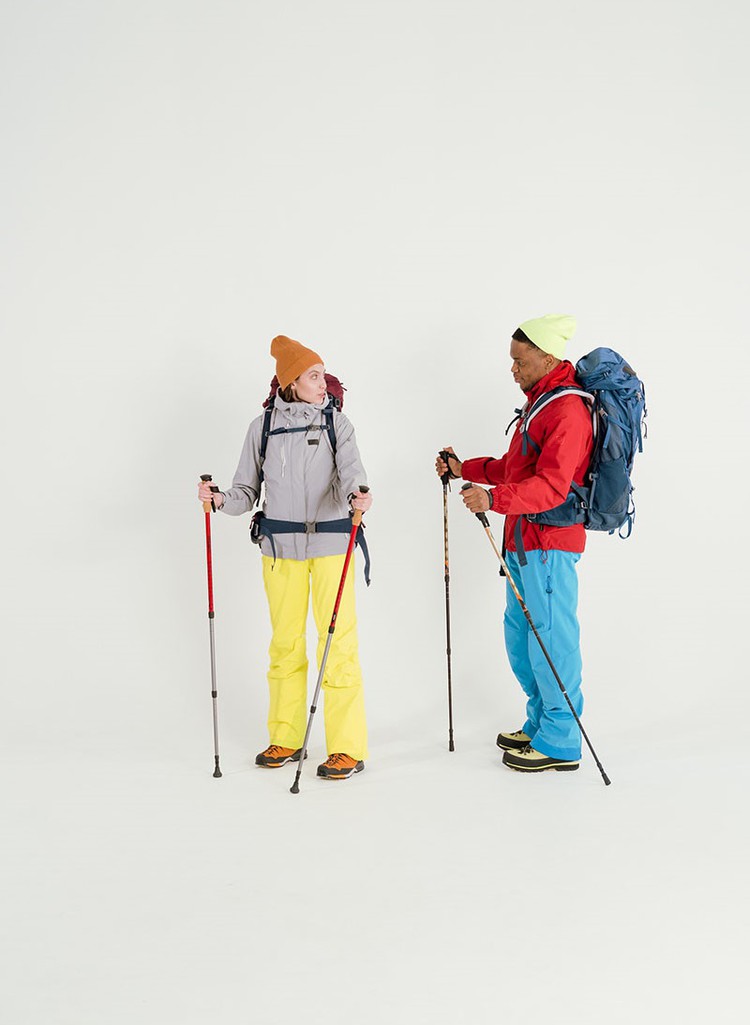
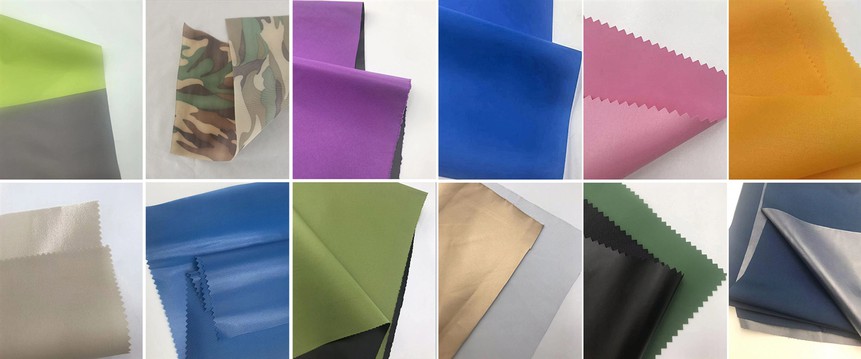
These fabrics are used for raincoats and other rainproof apparel. Some are appropriate for sportswear, pants, windbreakers and jackets.
Send Inquiry
Description

Introduction

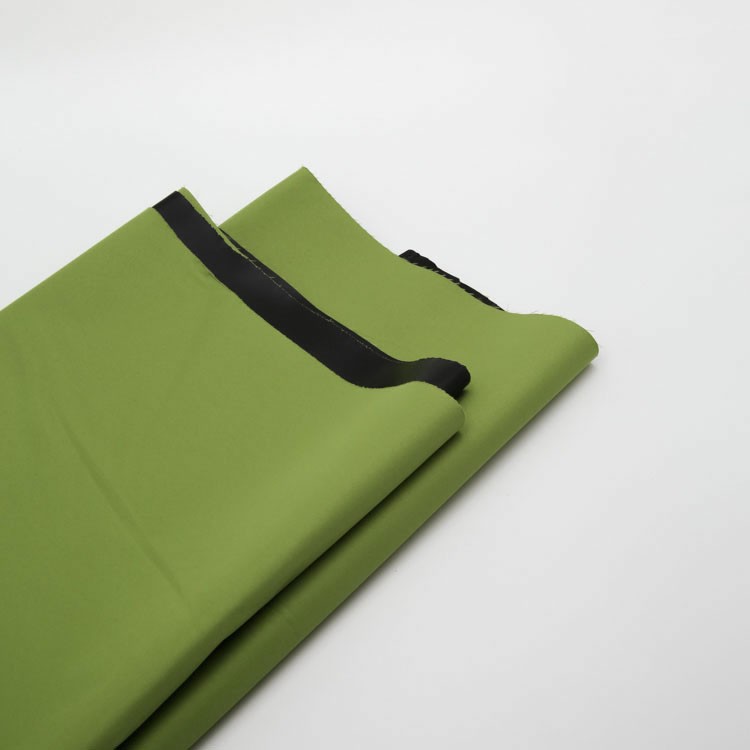
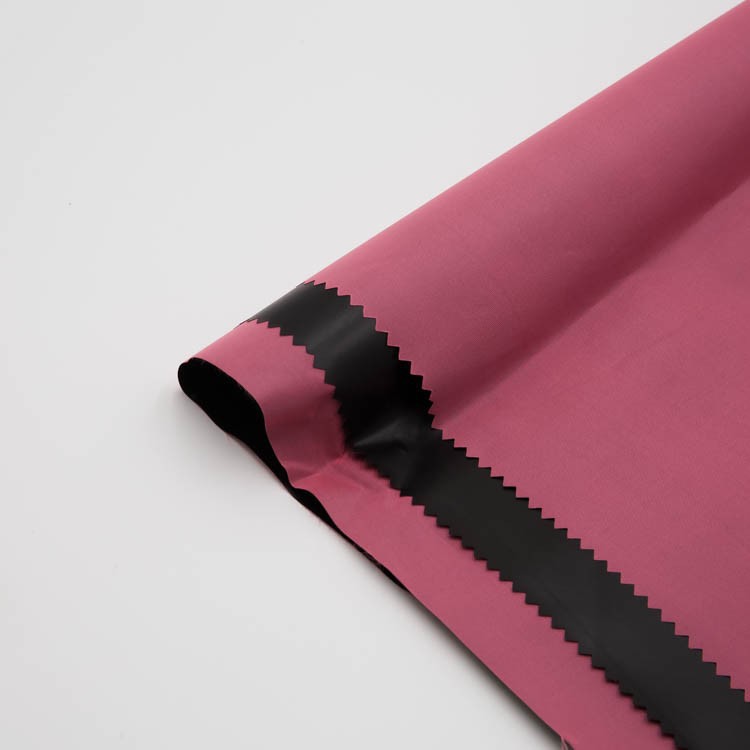
PVC composite material for raincoat is a high-performance material specially used for producing raincoat, usually made of PVC (polyvinyl chloride) film and other supporting materials (such as polyester cloth or nylon cloth) through a composite process. This material is usually used to make waterproof clothing such as raincoats, rain pants, and rain capes, which are widely used in various outdoor activities and severe weather conditions.


Advantages

Waterproofness
PVC itself has strong waterproof properties, which can effectively block water penetration and ensure that the raincoat can remain dry in heavy rain or humid conditions. Whether in heavy rain or humid conditions, PVC composite materials can effectively provide long-term protection and reduce the risk of water intrusion.


Wear resistance and durability
The PVC film in the PVC composite material has high wear resistance and can be used for a long time in harsh environments without being easily damaged. Even in the case of frequent contact with hard objects, friction or high-frequency use, its surface is not easy to break or crack. In addition, PVC has strong UV resistance, which can resist harmful radiation in the sun and reduce the speed of aging of the material due to UV exposure.


Stretch resistance and elasticity
The combination of PVC composite materials and fabrics enables it to have good stretch resistance and elasticity while maintaining waterproof function. Even in extreme weather conditions, the material is not easy to deform or break, and can effectively adapt to the stretching needs of human activities, ensuring comfort when wearing. Whether bending, exercising or stretching, the material can maintain its shape, avoiding damage or deformation due to excessive stretching, and improving the durability and comfort of the raincoat.


Easy processing and low cost
PVC composite materials have good processability and can be cut and formed through processes such as heat sealing and hot pressing, which makes them relatively simple and low-cost in the production process. Due to the flexible processing methods of the material, large-scale production can be achieved, thereby reducing production costs.


Material: Kelikete PVC composite

Suitable for: windbreakers and sets

Thickness: 25 threads

Weight: 120-145 grams per square meter

Width: 58 inches

Function: Soft and fashionable

Process: PVC surface + high-frequency welding
PUR LAMINATED


1

product-750-750

product-800-533


We have a high-experienced technical team, And have advanced lob to give customers professional testing report. in order to keep each item highly meet customers requirestment.


laboratory

3


Finished clothing equipment
23
 
Fabric production equipment

2


Our Certifications


1694910001001

Certificate 

1694920001001

Certificate 

202310001001

Certificate 

202320001001

Certificate

GRS41510-202201 GRS SC MC-1001

Certificate 

GRS41510-202201 GRS SC MC-2001

Certificate 

GRS41510-202201 GRS SC MC-3001

Certificate

32

Certificate

33

Certificate

20240604160511001

Certificate


FACTORY


Exhibitions
product-750-404
FAQ

Q: 1. Is PVC composite material for raincoat environmentally friendly?

A: The environmental friendliness of PVC composite material has been significantly improved in recent years. Modern PVC materials usually use non-toxic and harmless additives and meet international environmental standards. Some manufacturers use recyclable PVC materials to reduce the negative impact on the environment. In addition, the production process of PVC composite materials has also paid more and more attention to environmental protection, reducing the emission of harmful gases and the generation of wastewater.

Q: 2. How is the breathability of PVC composite raincoat?

A: Although PVC itself is not breathable, by compounding with fabrics with good breathability, modern PVC composite materials for raincoat can provide a certain degree of breathability while ensuring waterproofness. This helps to reduce discomfort caused by increased body temperature during wearing, such as moisture accumulation or stuffiness. Therefore, many high-quality raincoat products achieve a good balance between waterproofness and breathability.

Q: 3. Is PVC composite raincoat suitable for use in tropical or cold areas?

A: PVC composite materials have good temperature adaptability. In tropical areas, PVC materials can withstand high temperatures and humidity, while in cold areas, the cold resistance of PVC composite materials makes it less likely to become brittle at low temperatures, making it suitable for use in different climatic conditions. In order to adapt to extreme climates, some manufacturers will add appropriate plasticizers to PVC materials to keep them soft and comfortable at different temperatures.

Q: 4. How to clean and maintain PVC composite raincoats?

A: When cleaning PVC composite raincoats, it is best to use mild detergents and warm water, and avoid using strong acidic or alkaline detergents. Avoid using hard brushes or excessive friction when cleaning to prevent damage to the surface of the material. It is best to dry it after washing and avoid exposing it to strong sunlight to extend its service life. Regular cleaning and storage in a dry and ventilated place will help maintain the waterproof effect and appearance of the raincoat.

Q: 5. Are PVC composite raincoats prone to yellowing or fading?

A: Over time, the surface of PVC composite materials may yellow or fade to a certain extent due to ultraviolet radiation or air pollution. To slow this process, some manufacturers will add anti-UV (ultraviolet) agents to the material to reduce the rate of color fading. If you need to maintain its appearance, you can clean it regularly and avoid prolonged exposure to direct sunlight.

Hot Tags: pvc laminated material for raincoat, China pvc laminated material for raincoat manufacturers, suppliers, factory, medical dressing fabric, waterproof fabric for outdoor use, water resistant material, disposable raincoat materials, tpu raincoat material, water proof rain poncho fabric